
Green materials for sustainable magneto-electronic memories

Why GREEN-MEM matters
As compute energy usage becomes unsustainable in the era of ubiquitous data and AI computing, we need to develop materials and devices that enable super energy-efficient beyond-CMOS computing. The next generation of computing hardware will focus on low voltage switching and interconnects. Current proposals rely on the collective switch of order parameters like magnetization but still based on critical and potentially harmful materials as heavy metals and rare earths, which are unsustainable for environmental and geopolitical reasons. Here, we exploit breakthrough advances in the physics of low dimensional materials and spin-orbital phenomena to revolutionize magnetic storage devices by harnessing light and environmentally friendly materials.

The results of GREEN-MEM will provide the semiconductor industry with the tools for re-industrializing the EU with the production of more sustainable, non-contaminant, electronics, maintaining the key knowhow and intellectual property in the EU.

News

experiment solaris february 2026
News

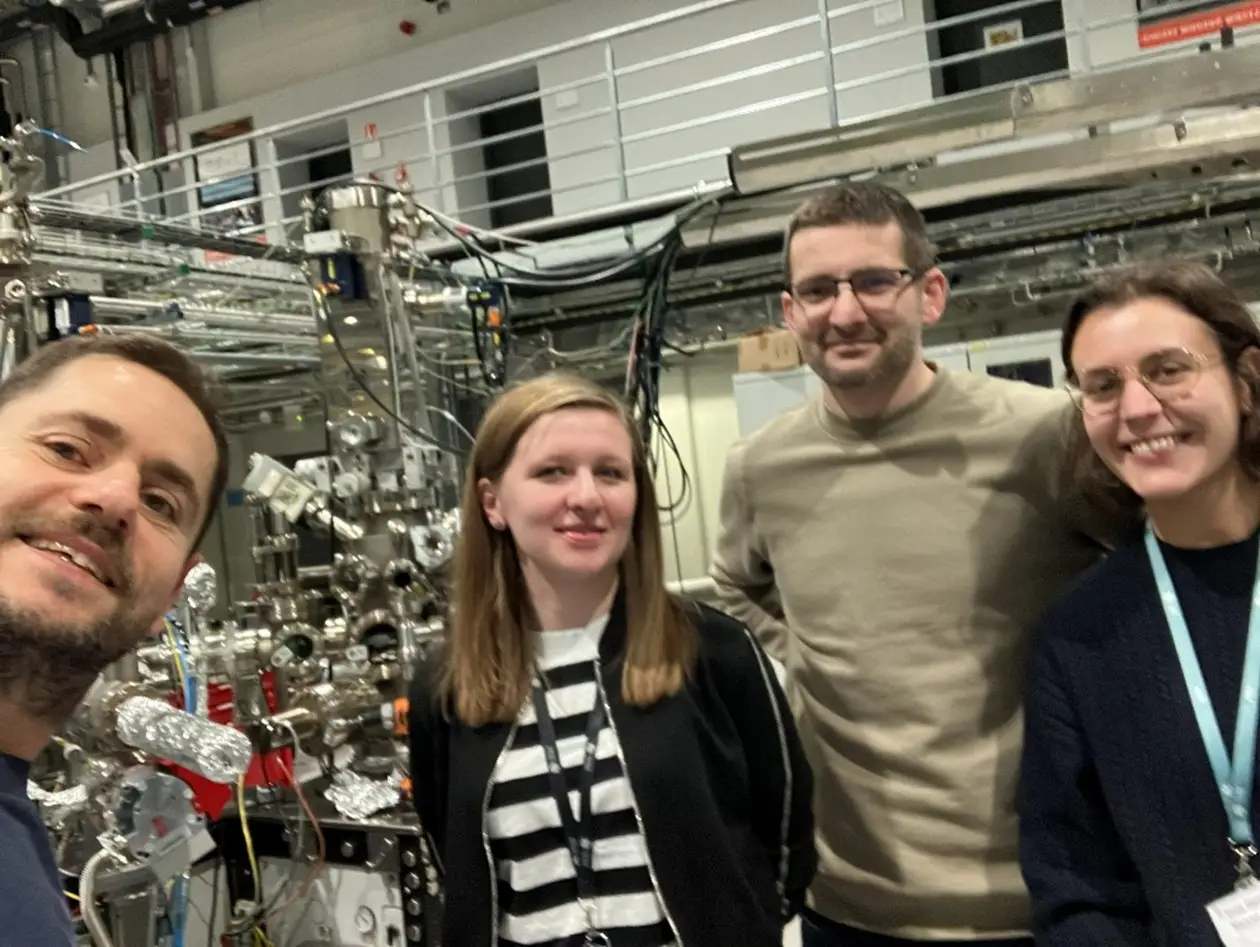
Experiment at SOLARIS, February 2026

PIRX-251059. Analysing orbital and spin magnetic moments in magnetic Rashba interfaces based on Graphene-Ferromagnet. Paolo Perna, Ines Garcia-Manuz, Pawel Nita and Anna Mandziak
Read more →
post
Publications

Cras non elit urna

Lorem ipsum dolor sit amet, consectetur adipiscing elit. Ut vitae molestie diam, a condimentum sapien. Integer congue sit amet mauris id dapibus. Morbi varius elit ...
Read more →
post
News

Cras non elit urna

Lorem ipsum dolor sit amet, consectetur adipiscing elit. Ut vitae molestie diam, a condimentum sapien. Integer congue sit amet mauris id dapibus. Morbi varius elit ...
Read more →
experiment solaris december 2025
News

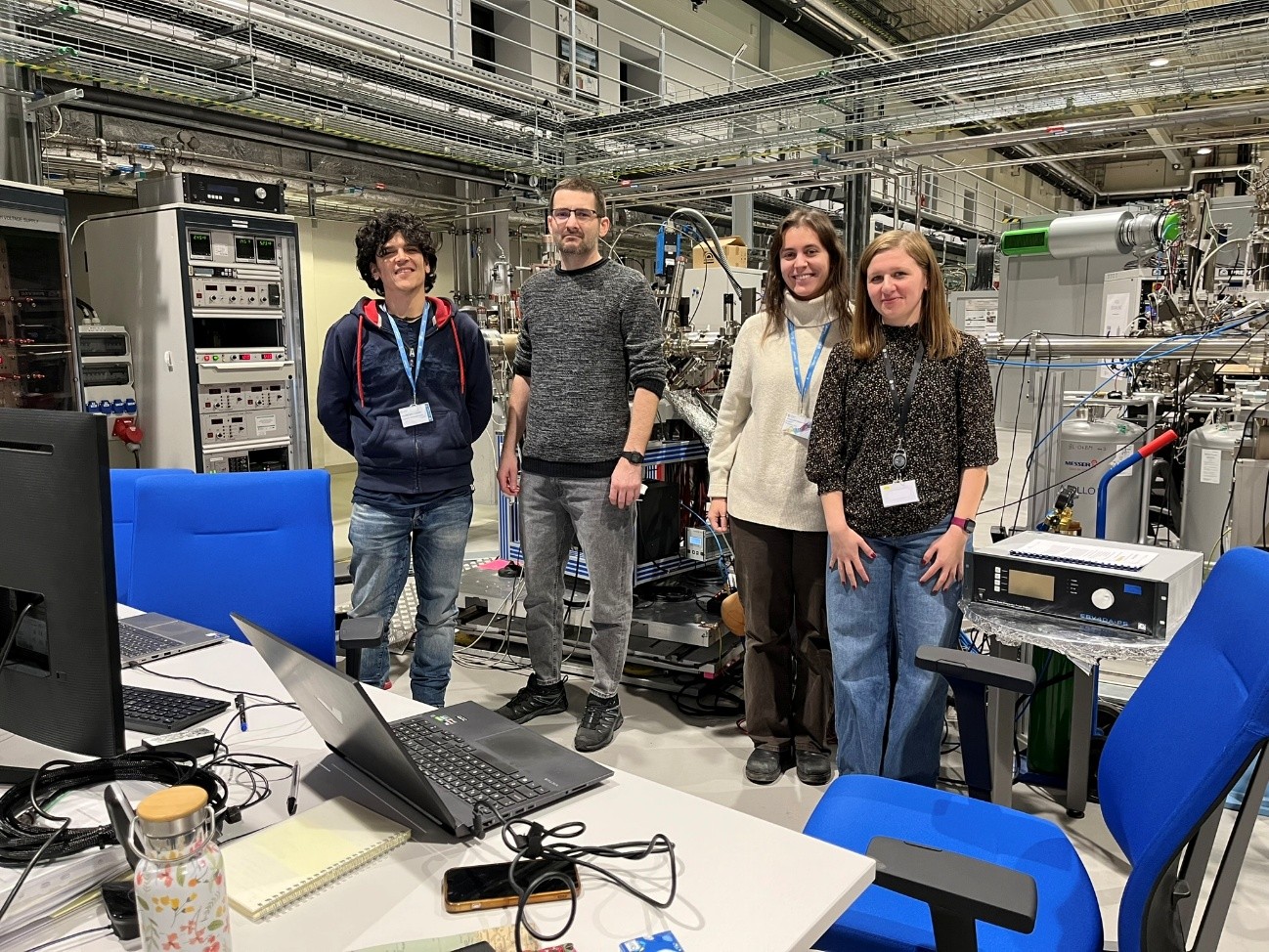
Experiment at SOLARIS, December 2025

DEMETER- 251112. Investigating the Influence of Interfacial Potential Gradient on Spin Texture Chirality and Sign of Dzyaloshinskii-Moriya interaction at Metallic W(110) and W(100)|Co Interfaces. Fernando ...
Read more →